Introduction: A Strategy for Sustainability in Vulnerable Regions
In the complex geography of Uruzgan province, the food security and financial independence of rural families are heavily dependent on live assets. Recognizing this critical need, the Promoting Agriculture and Livelihoods to Prosper Afghanistan (PALPA) project designed interventions that go far beyond traditional relief aid. Implemented by HARAKAT with financial support from the United Nations Development Program (UNDP), the project focuses on creating immediate and sustainable income sources. Today, Shirin Jan, a resilient woman living in one of Uruzgan’s marginalized villages, stands as a pioneer of this economic transformation.
Livelihood Challenges and the Economic Baseline
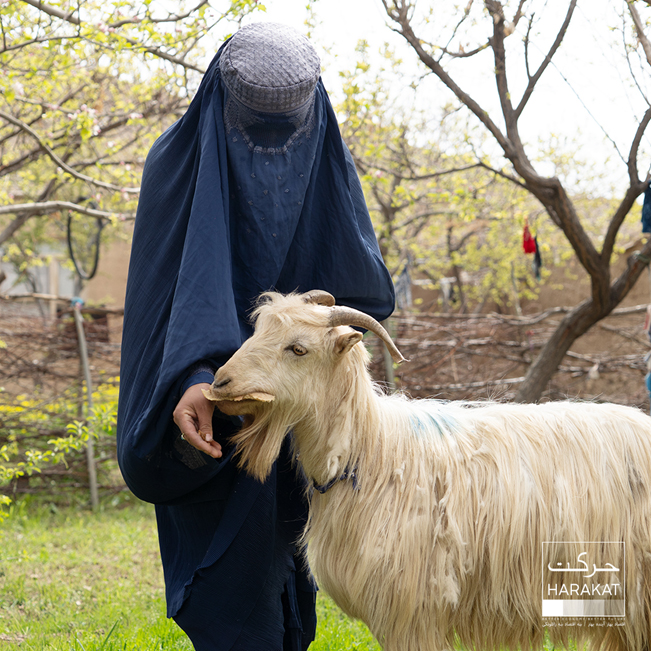
“We were always looking for a way to produce something ourselves, but we had neither the capital nor the tools to start,” she recalls. It was exactly this cycle of dependency that the PALPA project aimed to break.
Before joining this initiative, Shirin Jan faced severe limitations in providing essential dairy and protein for her children. In a region where formal markets are far from remote villages, access to fresh milk and meat is a major challenge. Without productive assets, her family’s economy was entirely dependent and fragile.
Strategic Selection and Technical Support by HARAKAT
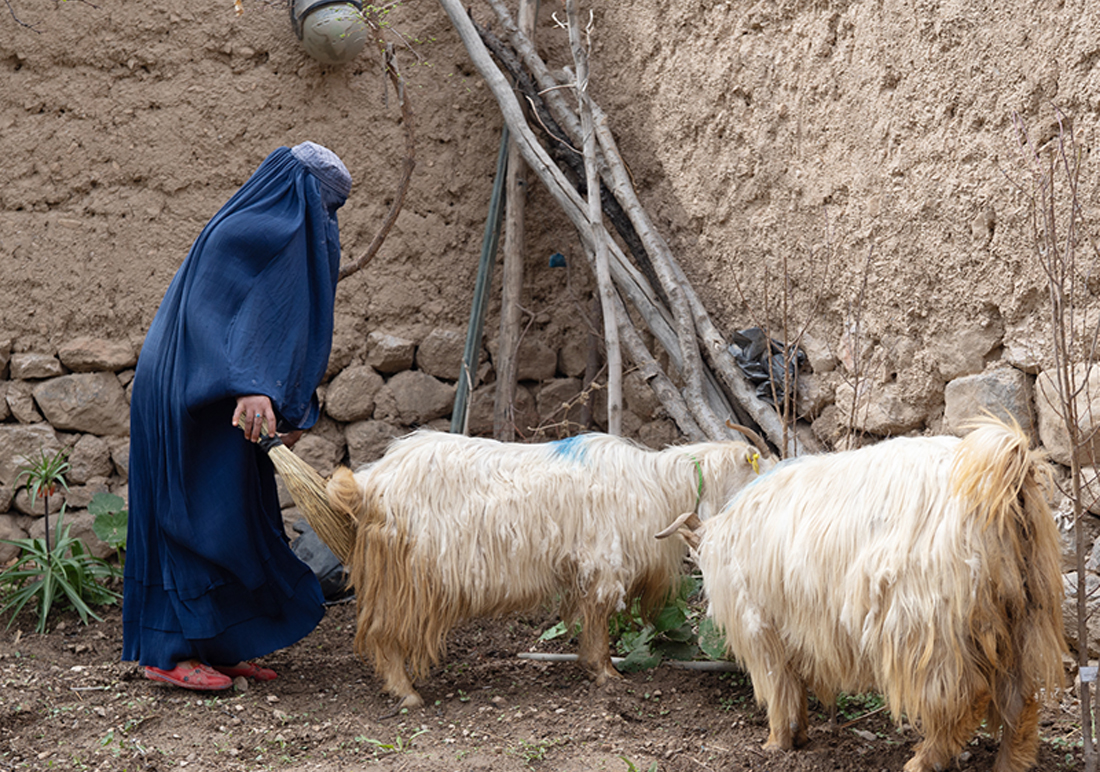
Based on a rigorous survey and transparent criteria, HARAKAT selected Shirin Jan as a primary beneficiary. However, the core distinction of this project lay in the “quality” of the support. Following high project standards, each family received a livestock package consisting of high-quality dairy goats weighing between 35 to 45 kilograms.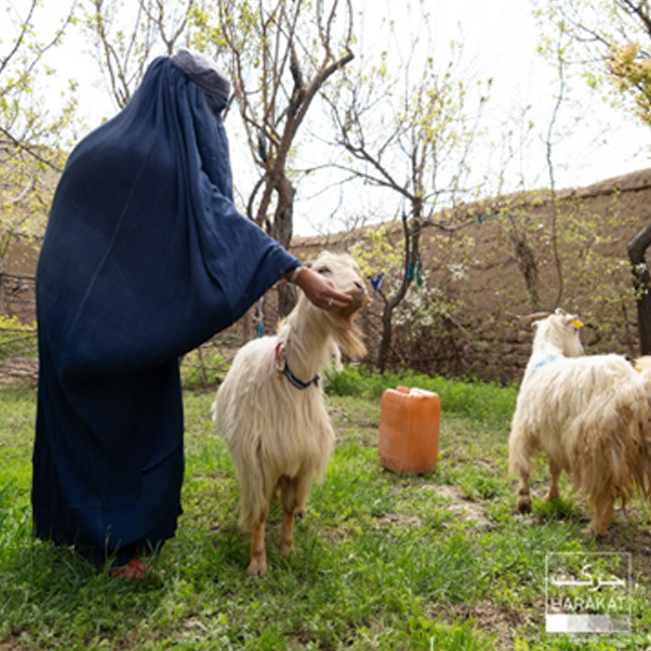
The strategic brilliance of this intervention was that the distributed goats were pregnant. This meant that UNDP and HARAKAT provided Shirin Jan not just with an asset, but with a multiplying capital. Furthermore, all livestock were pre-vaccinated against severe diseases such as PPR (Peste des Petits Ruminants) to minimize the risk of mortality and protect the investment.
Professional Livestock Management and Training
Prior to receiving the livestock, Shirin Jan participated in intensive training sessions. She learned that 21st-century livestock rearing requires structured knowledge. With her newly acquired skills, she has implemented a specific care system at home. Shirin Jan meticulously monitors the goats for any signs of illness, knowing exactly when to consult a veterinarian. This mindset shift, from traditional rearing to professional livestock management, is the project’s greatest achievement for her.
Tangible Impacts: Nutrition, Income, and Capital Accumulation
Today, the results of this investment are visible on Shirin Jan’s family table. Her children consume fresh, healthy milk daily, which directly impacts their health and growth. Beyond household consumption, Shirin Jan sells a portion of the milk in the local market to cover ongoing living expenses.
A Message of Sustainability and Social Responsibility
Shirin Jan is not only a beneficiary but has become an ambassador for change in her village. She shares her success with her neighbors and teaches them the correct methods of livestock care. She firmly believes that her success is a victory for all the women in her village.
In a heartfelt message to HARAKAT and UNDP, she states: “I am deeply thankful for this support. I hope these programs continue because these small interventions have a massive share in our community’s economy and our people’s future. We now feel a sense of dignity and independence.
Conclusion: From Relief to Self-Reliance
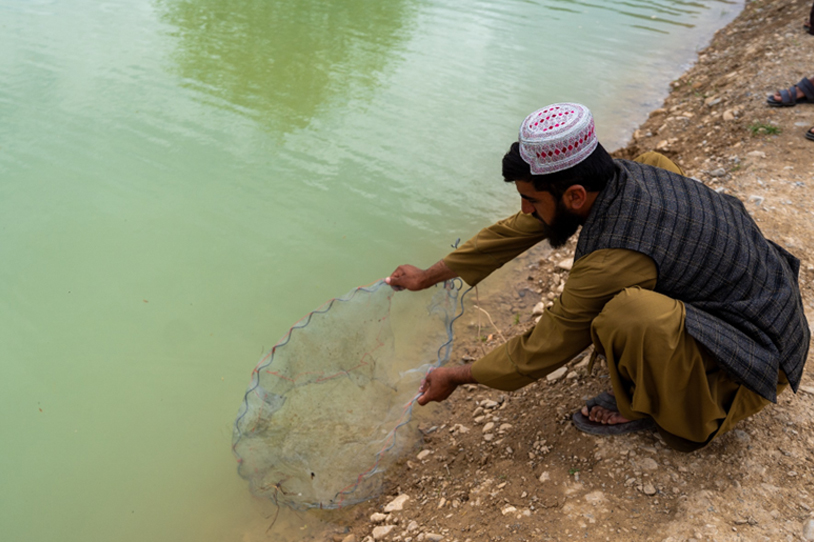
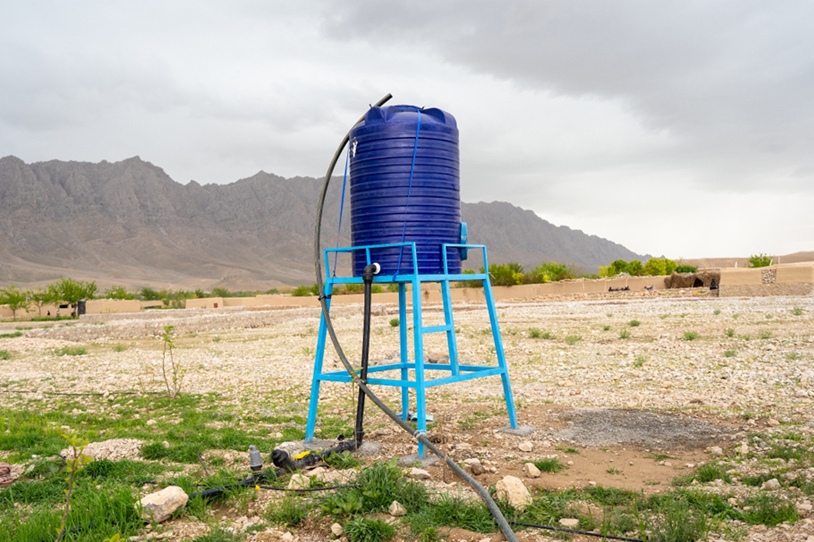
Shirin Jan’s story proves that when live assets of excellent quality are distributed alongside actionable knowledge, poverty gives way to sustainability. The PALPA project demonstrated that distributing livestock and establishing aquaculture systems in provinces like Uruzgan and Balkh is not a short-term activity, but the foundation of an economic system resilient against future shocks.
Passionate - Dedicated - Professional