WIN
Women’s Inclusion in the National Economy (WIN)
Women’s Inclusion in the National Economy (WIN) Project
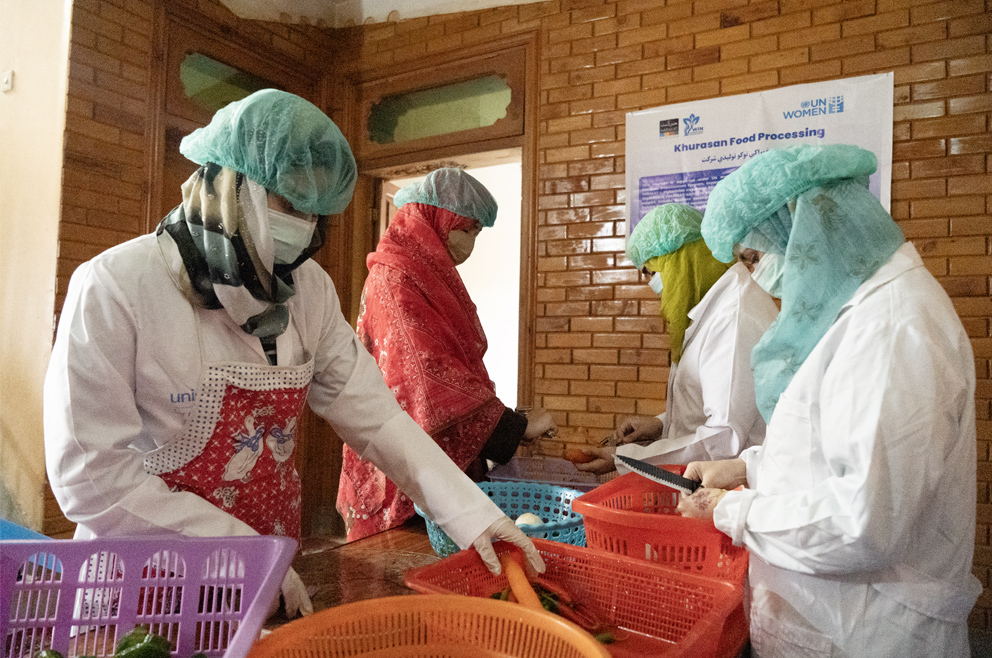
The Women’s Inclusion in the National Economy (WIN) Project was implemented by HARAKAT–Afghanistan Investment Climate Facility Organization (HARAKAT-AICFO) in partnership with UN Women Afghanistan to strengthen women’s economic empowerment in Balkh, Kandahar, and Nangarhar provinces.
The project adopted an integrated approach to improve women’s participation in the private sector by enhancing employment opportunities, promoting gender-responsive business practices, and strengthening women-led small and medium enterprises (SMEs). Key interventions included job readiness training and employment placement, implementation of the Women’s Empowerment Principles (WEPs), business mentorship, provision of in-kind equipment grants, market linkage support, and advocacy for women’s economic inclusion.
During the project, 303 women received job readiness training, 230 women secured employment in private sector SMEs, 45 women-led SMEs were supported through mentorship and equipment grants, and 29 private companies became signatories to the Women’s Empowerment Principles (WEPs). The project also established multi-stakeholder Women’s Economic Empowerment (WEE) platforms to promote collaboration and sustainable advocacy for women’s economic participation.
The WIN Project contributed to improving business resilience, expanding market opportunities, creating employment, and fostering a more inclusive private sector in Afghanistan.
PALPA
PALPA South Project
PALPA South Project
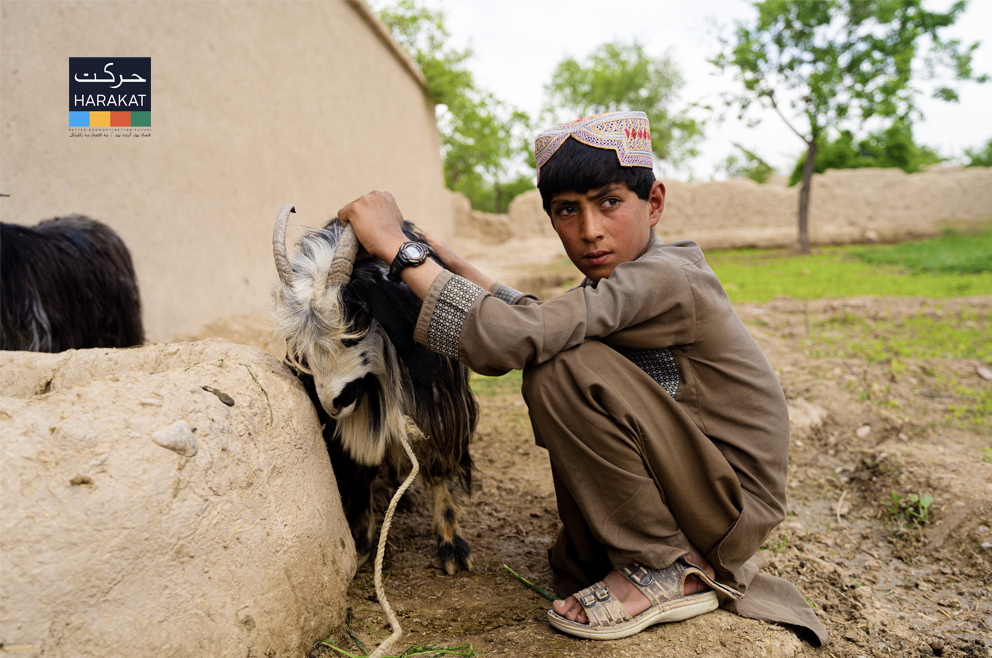
The PALPA South Project was launched to address Afghanistan’s urgent livelihood and resilience challenges following the political transition of August 2021 and the April 2022 ban on poppy cultivation. The loss of opium-based income, combined with climate change, recurrent disasters, and water scarcity, severely affected rural households. In response, the project promoted sustainable livelihood alternatives to strengthen household incomes, improve food security, and enhance community resilience. Building on previous initiatives, PALPA South focused on diversified livelihoods, climate-smart agriculture, and community-based approaches, with particular emphasis on empowering women through gender-responsive strategies and practical training.
During implementation, the project achieved significant results across multiple sectors. A total of 326 women received two pregnant goats each, along with goat-rearing training and advisory support. Additionally, 100 families (mostly male members) received 500 fingerlings, fishponds, and training on fish farming and income generation. To improve horticulture, 50 families were provided with fruit saplings and orchard management training, while 250 beneficiaries received drip irrigation systems to improve water-use efficiency. The project also strengthened market access by organizing two trade fairs in Uruzgan and Balkh for 200 traders and exhibitors, most of whom were women-owned businesses, and provided business planning training to 25 traders, resulting in the development of 25 business plans. Furthermore, 100 participants (five groups of 20) received training on water user associations, focusing on water resource management and budgeting.
Through these interventions, PALPA South promoted income diversification, climate adaptation, efficient resource management, and inclusive participation. The project has contributed to building more resilient and equitable communities in southern Afghanistan. This final report summarizes the project’s achievements, lessons learned, and key recommendations, highlighting its contribution to sustainable development and community empowerment.
AAF
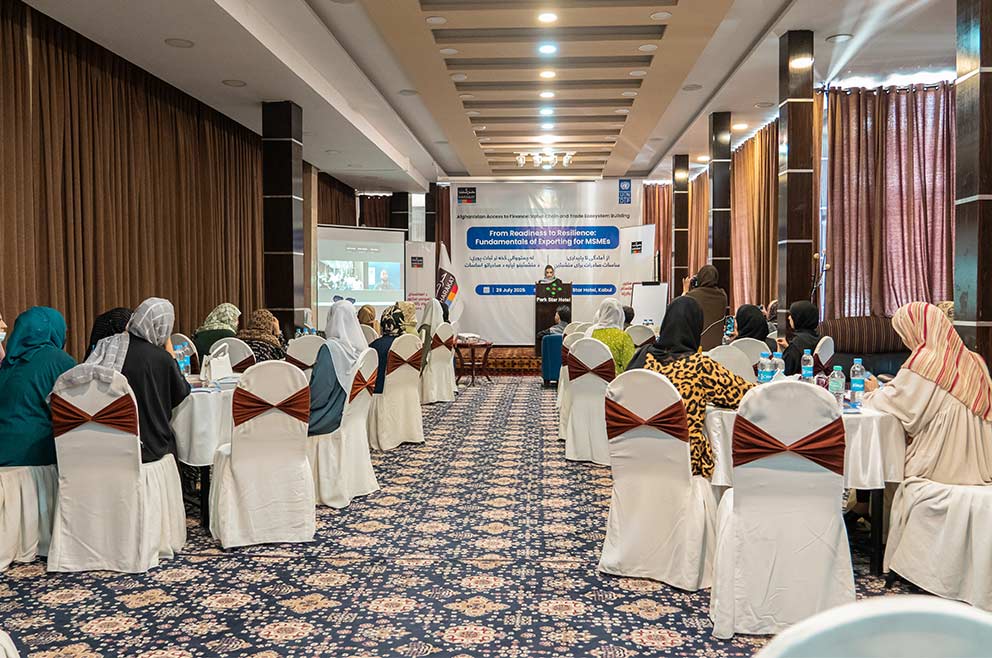
Afghanistan Access to Finance Project (AAF)
Afghanistan Access to Finance Project (AAF)
The Afghanistan Access to Finance (AAF) Project is designed to revitalize the country’s financial sector by promoting and enhancing Sharia-compliant financial systems. As part of its broader mandate to strengthen financial inclusivity and mitigate prevailing economic challenges, the project has introduced the “Value Chain and Trade Ecosystem Building” initiative, which serves as a complementary pillar of its overall strategy. Within this framework, the project undertook several key activities, including the development of an Agricultural Value Addition Roadmap for three priority value chains (grape, almond, and cashmere) alongside a comprehensive Dairy Value Chain Analysis. In addition, the project facilitated trade-related interventions and organized targeted events to promote market linkages and stakeholder engagement. Collectively, these efforts aimed to foster value addition, enhance competitiveness, and support the integration of Afghan products into regional and international markets.
PSF
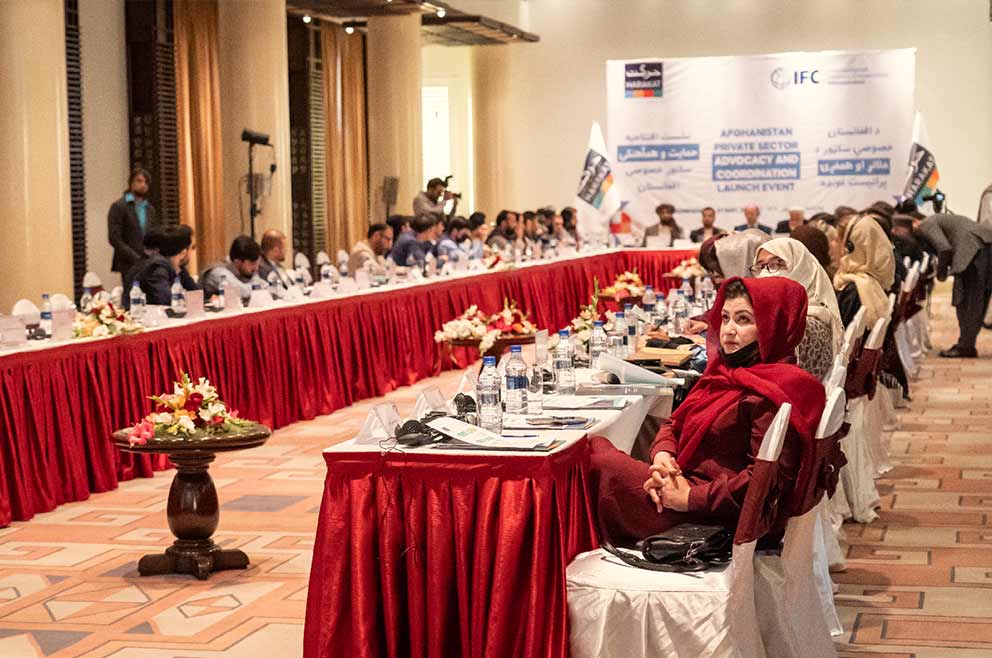
Private Sector Forum (PSF)
Private Sector Forum (PSF)
The Private Sector Forum (PSF) serves as Afghanistan’s premier platform for high-level dialogue between the business community and government policymakers. Its core mission is to identify and resolve obstacles to investment and trade through structured Public-Private Dialogues (PPDs) and expert-led Technical Working Groups. By championing evidence-based advocacy, the PSF has successfully influenced major policy reforms, including the reduction of the Business Receipts Tax, which has created a more predictable and favorable environment for economic growth.
Funding Partner: International Finance Corporation
WE LEAD
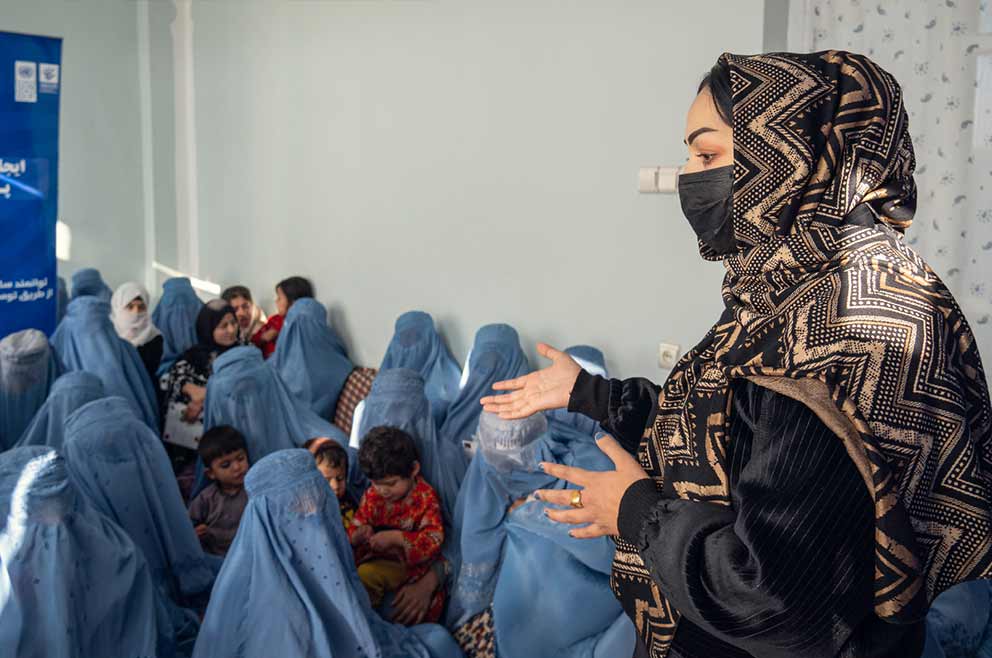
Women’s Economic Empowerment through Local Enterprise Development
Women’s Economic Empowerment through Local Enterprise Development (WE-LEAD)
The Women’s Economic Empowerment through Local Enterprise Development (WE-LEAD) Project is a grassroots initiative designed to foster financial inclusion for women in Northern Afghanistan. The project formalizes and strengthens community-based savings groups (SGs) by transforming them into structured, self-governing Rotating Savings and Credit Associations (ROSCAs). By providing training in Sharia-compliant financial management and injecting seed capital, WE-LEAD empowers these groups to evolve from basic savings pools into active, income-generating local enterprises.
Funding Partner: United Nations Development Programme
WE-ACT
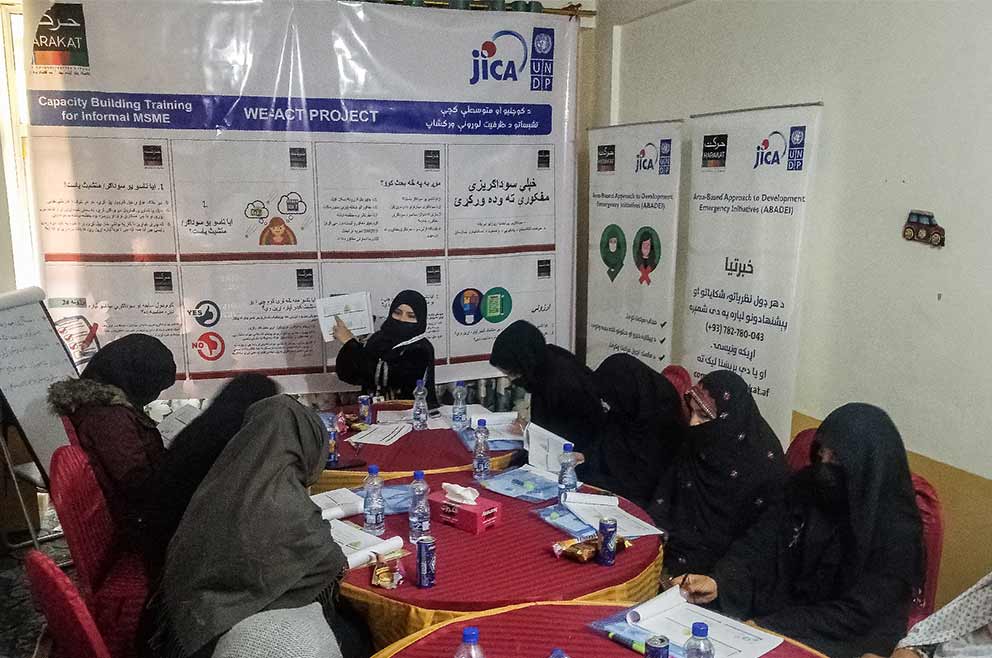
Women’s Economic Activity in the Private Sector
(WE-ACT)
Strengthening Women’s Economic Activity in Private Sector (WE-ACT)
The Strengthening Women’s Economic Activity in the Private Sector (WE-ACT) Project employs a two-tiered strategy to support women entrepreneurs at various stages of business development in southern Afghanistan. For informal MSMEs, it provides skills training, equipment, and grants to formalize their operations and enter the market. For established formal SMEs, it offers advanced training and facilitates access to soft loans, with a strategic focus on scaling up production and developing export capabilities for regional and international trade.
Funding Partner: United Nations Development Programme
WYED
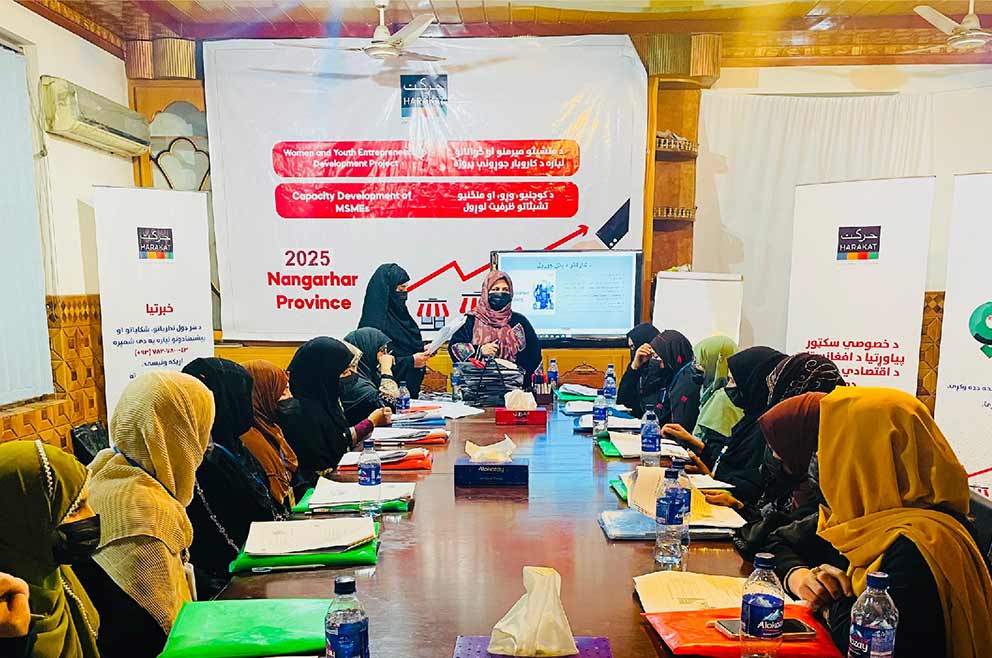
Women and Youth Entrepreneurship Development
Women and Youth Entrepreneurship Development Project (WYED)
The Women and Youth Entrepreneurship Development (WYED) Project is a targeted capacity-building initiative designed torevitalize struggling businesses led by women and young entrepreneurs. The project follows a two-phase model, delivering foundational business skills training to a broad cohort of 150 entrepreneurs to enhance their overall knowledge. Subsequently, a select group of 50 high-potential businesses receives intensive, tailored mentorship and technical assistance to ensure they can standardize operations, achieve sustainable growth, and create new jobs.
EKRe
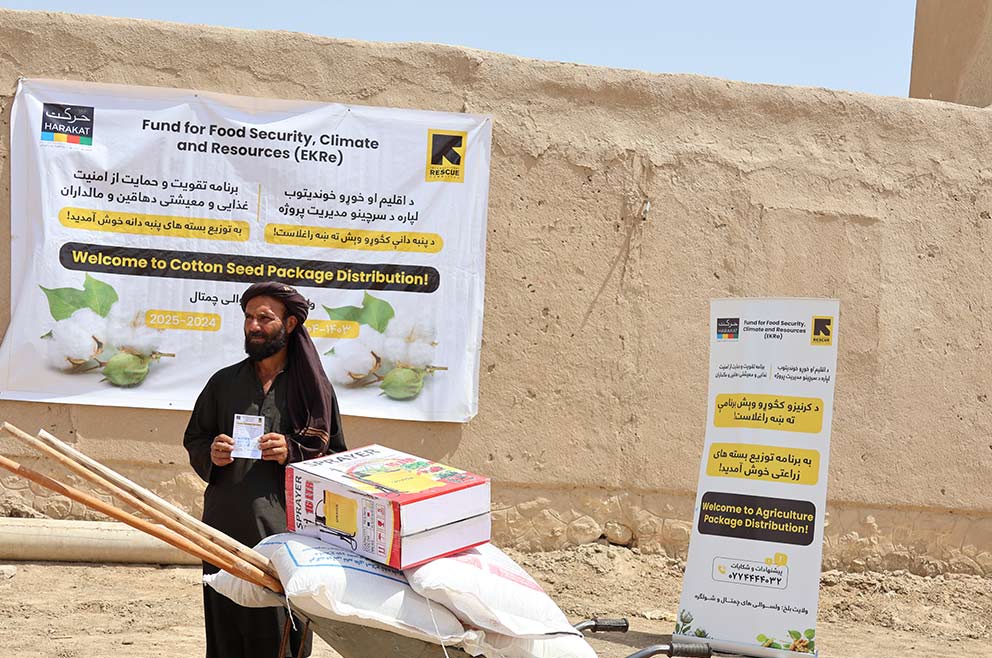
Women and Youth Entrepreneurship Development
Fund for Food Security, Climate, and Resources Project (EKRe)
The Fund for Food Security, Climate, and Resources is a community-focused initiative in Balkh Province aimed at enhancing resilience against climate change and food insecurity. Implemented in partnership with the IRC, this initiative employs an integrated approach by distributing climate-adapted seeds and tools to farmers, while also supporting women in livestock ownership to diversify their livelihoods. This is complemented by comprehensive training in sustainable agriculture, nutrition, and behavioral change, aimed at creating a lasting impact on community well-being.
Funding Partner: International Rescue Committee
NOVE Onlus
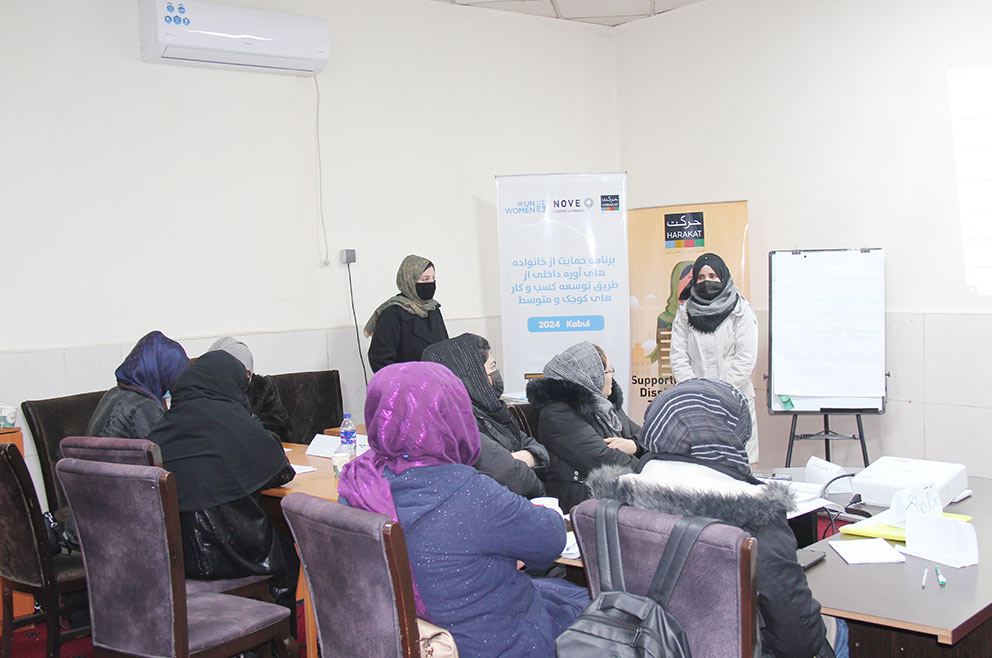
Women and Youth Entrepreneurship Development
IDP SME Support Project in partnership with NOVE Onlus
This project provides critical economic support to internally displaced (IDP) women and girls in Kabul and Nangarhar. The initiative first equips 50 women with essential business skills through vocational training, before providing start-up or recovery grants to the 20 most promising entrepreneurs to launch their own businesses. By combining skills development with direct financial support and mentorship, the project aims to create sustainable livelihoods and enhance the economic resilience of some of Afghanistan’s most vulnerable women.
Funding Partner: NOVE Onlus| UN’s Women’s Peace and Humanitarian Fund (WPHF)