Life in Shash Par village and a long-standing need
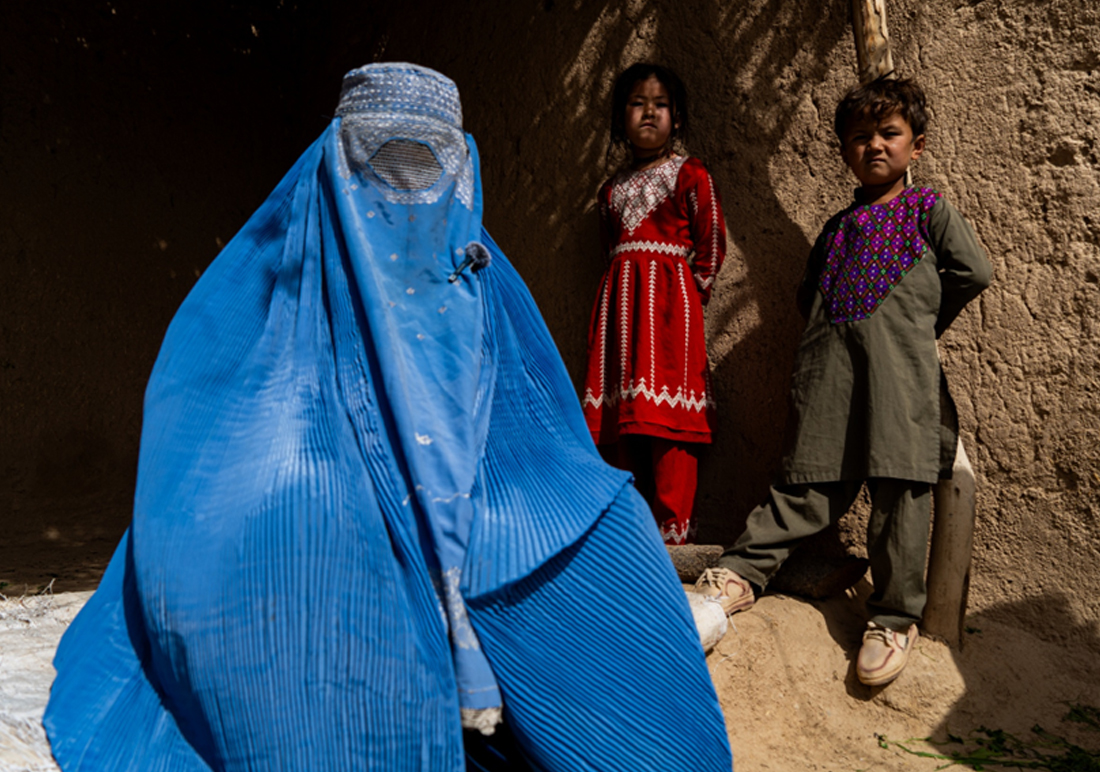
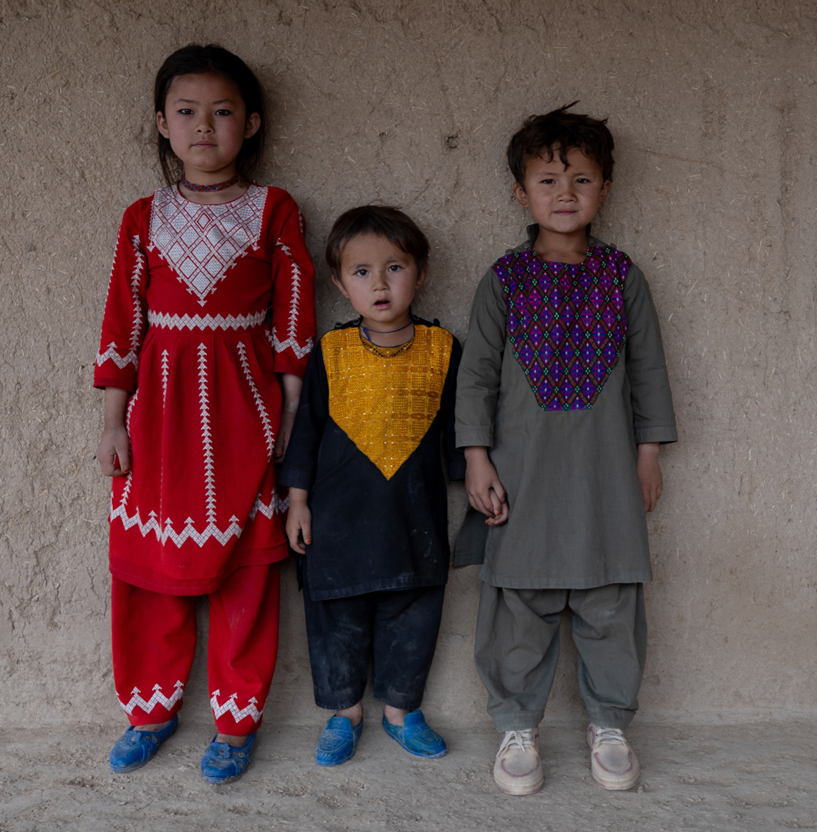
Rokhshana lives in Shash Par village in Khas Uruzgan district of Uruzgan province, where most days are shaped by routine household work and the constant effort to meet basic needs. She is 30 years old, married, and lives with her husband and three children. As the primary caregiver, she carries most domestic responsibilities and manages the daily needs of her household.
Like 351 other women in her community, she had long thought about how she could contribute more to her family’s income, but opportunities were extremely limited. She had no personal source of income and had never owned livestock or any productive assets. Her selection in the project was based on this vulnerable economic situation and lack of stable livelihood opportunities.
first, the support felt simple and almost too modest to make a real difference in her life. Rokhshana did not expect much beyond a small addition to her daily responsibilities.
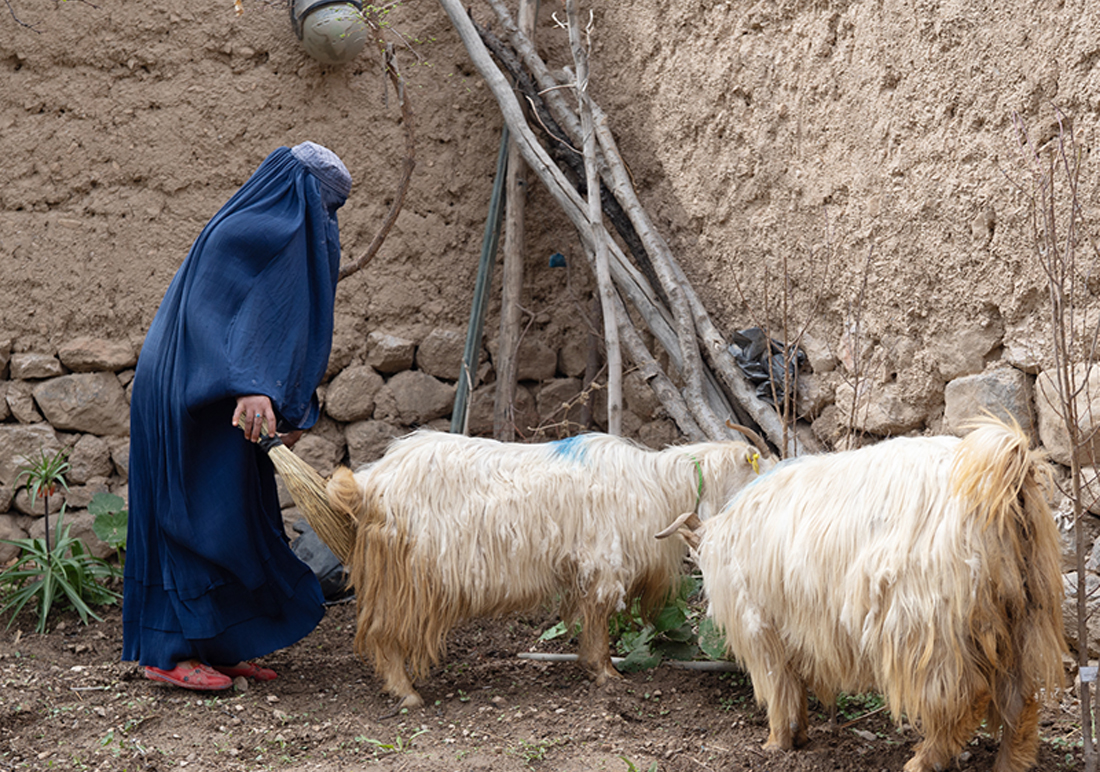
The beginning was not easy. Caring for livestock brought challenges she had not anticipated. Feeding the goats consistently was difficult during certain periods, and she worried about their health, especially given her lack of experience in livestock care. At times, she was unsure whether she was managing them correctly and feared losing them if they fell sick.
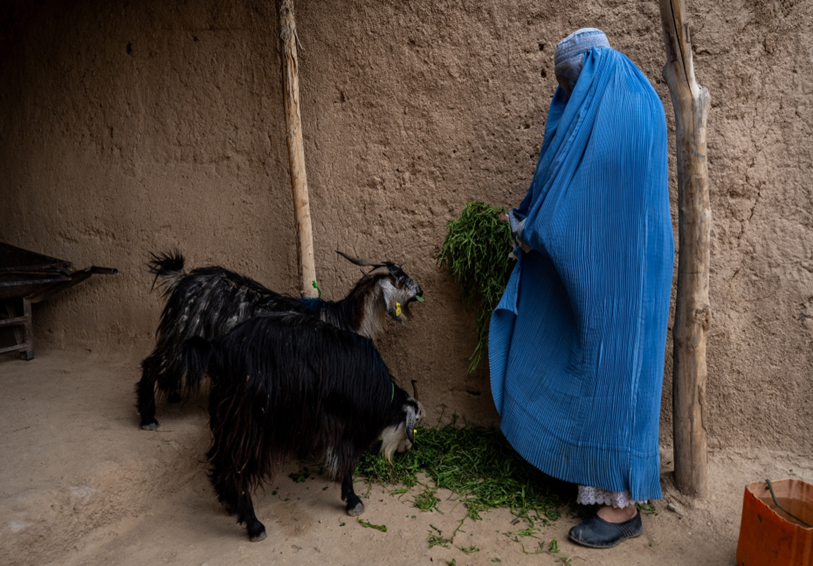
When I received the goats, I thought they would just be another responsibility added to my daily work. I did not see them as something that could really change our situation.
Learning, confidence, and daily change
Under PALPA, implemented by HARAKAT in partnership with UNDP Afghanistan, Rokhshana and 350 other women received basic training on livestock care. The sessions focused on feeding practices, shelter cleanliness, and identifying early signs of illness. This was her first exposure to structured livestock management and livelihood-related training.
The support gradually built her confidence and helped her manage the goats more effectively. Over time, she began applying what she learned in her daily routine.
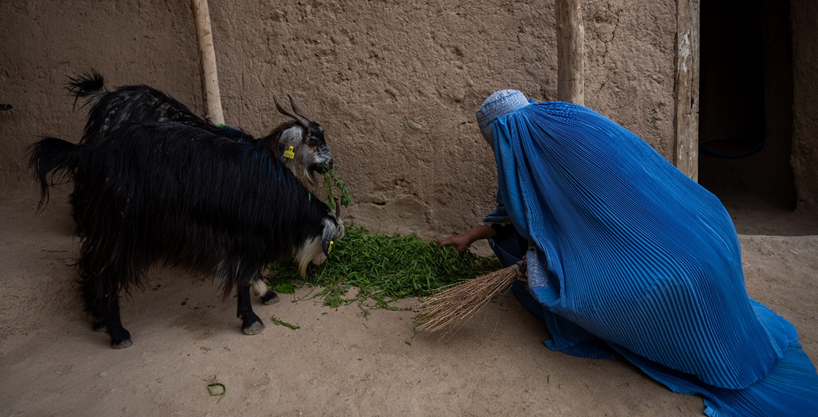
After the training, I started noticing small improvements. They became healthier, and I felt more confident handling them.
As the months passed, the goats became part of her everyday life. What once felt like a burden slowly turned into a meaningful responsibility. She now spends time each day feeding them, cleaning their shelter, and closely observing their condition. Her care has become intentional and informed.
Growing impact and shared experience
The benefits have also begun to reach her household. Goat milk is now used at home, contributing to better nutrition for her children. With the birth of goat kids expected, she sees the possibility of building a small but growing source of income. These animals are no longer just livestock; they represent a gradual path toward stability. PALPA supports women to contribute more actively to household income and financial decision-making.
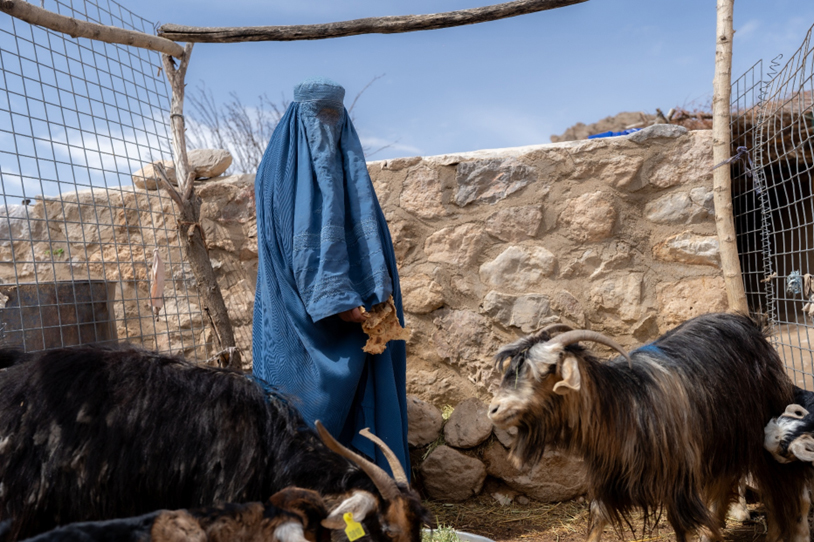
I am thankful for HARAKAT’s support. It helped me learn things I did not know before and gave me the confidence to take better care of my goats. It gave me something real to build on for my family’s future, step by step.
Rokhshana has also shared her experience with other women in the village, particularly what she learned from the training and how small improvements in care can make a meaningful difference. This has encouraged others to see livestock support as practical and achievable rather than uncertain.
For Rokhshana, the change did not come all at once. It came gradually through learning, practice, and persistence. What started as two goats has grown into a steady source of confidence, skill, and hope for what may come next.
Passionate - Dedicated - Professional