Introduction:
In eastern Afghanistan, particularly in Nangarhar Province, small-scale manufacturing businesses play a vital role in sustaining family incomes. However, limited access to skills, financial management systems, and market expansion opportunities often restrict their growth. Through the Women Inclusion in the National Economy (WIN) project, HARAKAT has been supporting emerging entrepreneurs to strengthen their business capacities. Fatima Pason, an 18-year-old entrepreneur, stands out as a young leader transforming a family-run footwear enterprise into a more structured and growing business.
Entrepreneur Profile and Motivation
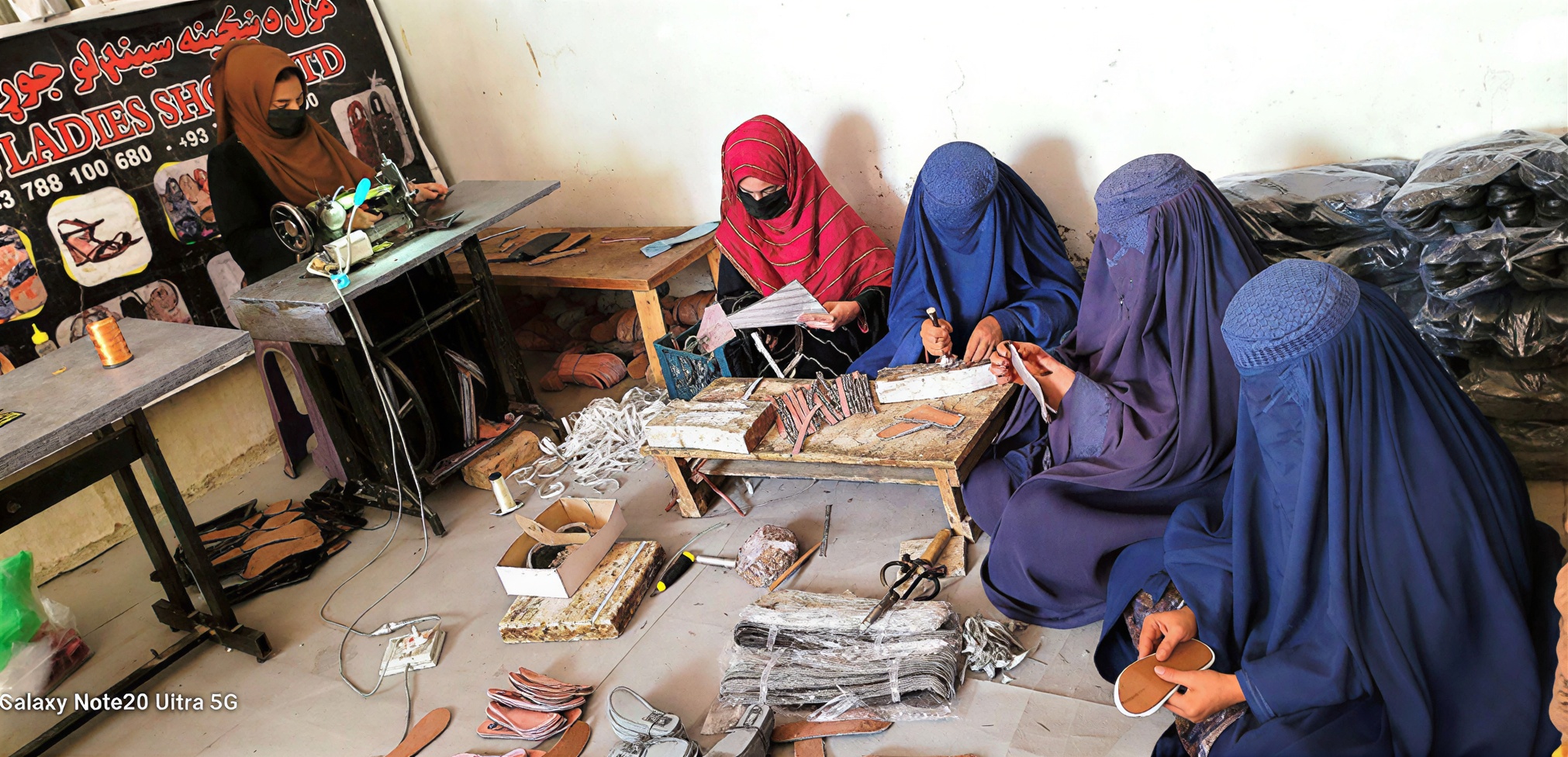
Fatima Pason is the manager and quality control lead of a family-owned footwear manufacturing company (Mazal Boots). Living in a household of 14 members, she plays a central role in supporting her family’s livelihood. Although she completed her education up to grade six, she stepped into business at a young age, driven by necessity and responsibility. Together with her family, she co-founded the factory three years ago. While her father supports marketing activities, Fatima leads the day-to-day operations, ensuring production quality and coordination.
Baseline Analysis
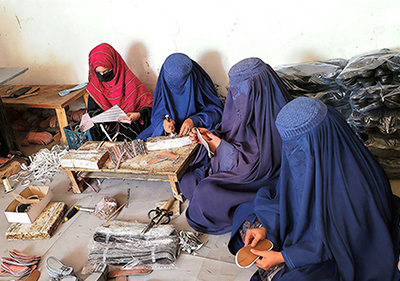
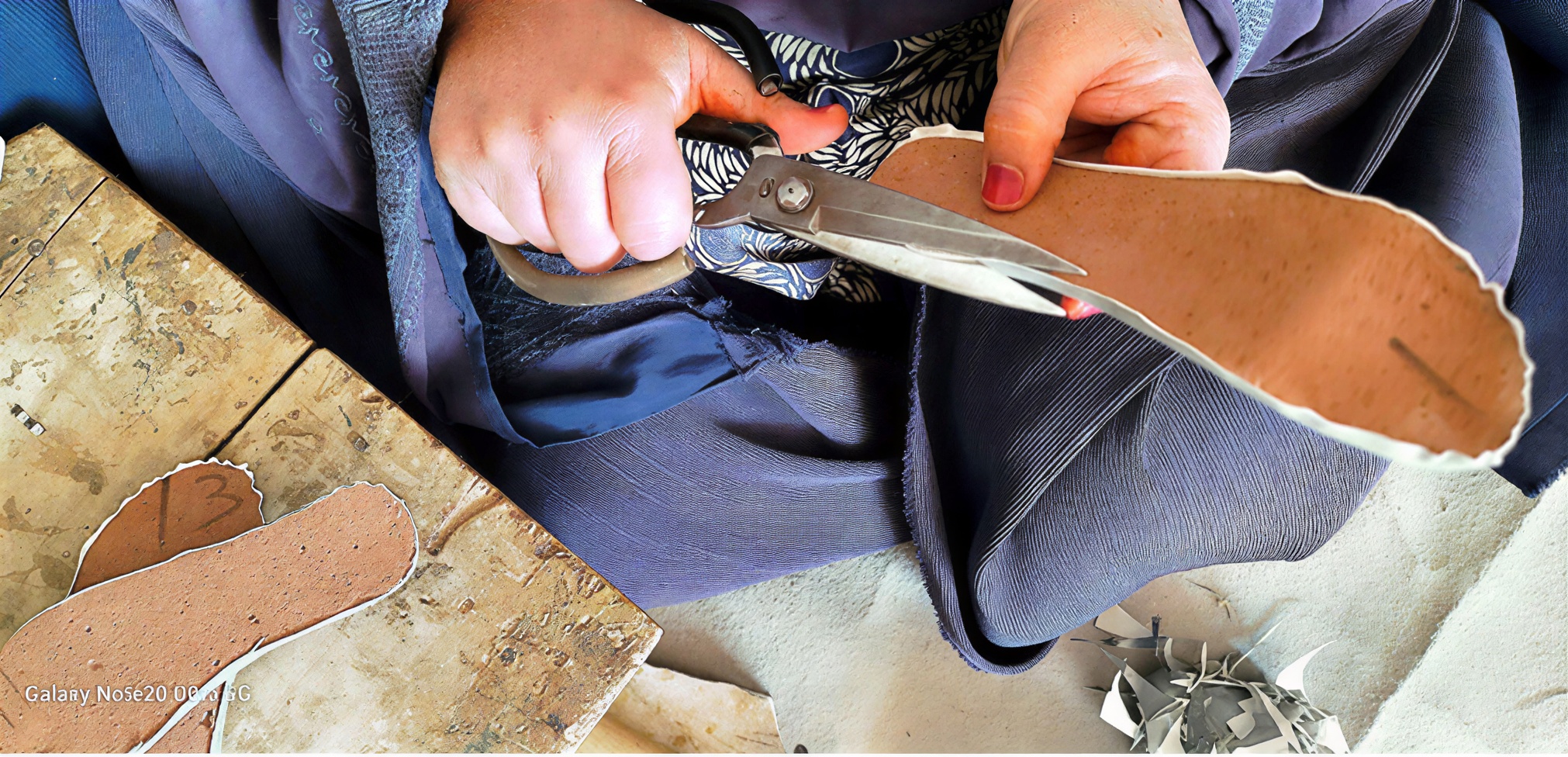
Before joining the WIN project, the company operated at a modest level. Monthly sales averaged around 120,000 AFN, with a net profit of approximately 15,000 AFN. Daily production was limited to about two dozen pairs of women’s boots. The company was formally registered and employed seven staff members—six women in production and one man handling finance and sales. Despite steady demand, the business struggled with weak financial management systems. Sales were primarily conducted in person, and due to high demand exceeding production capacity, there was little focus on marketing or business expansion strategies.
Strategic Intervention and Capacity Development
Fatima learned about the WIN project through her peers and decided to join, recognizing its professional and financial benefits. Through the program, she received training in market analysis, financial management, branding, and business planning. These trainings introduced structured planning methods and improved her understanding of managing business finances. While the company is still awaiting promised machinery and raw material support, the knowledge gained has already led to meaningful operational improvements.
Business Growth and Operational Improvements
Following the training, the company implemented better financial systems, improved production quality, and introduced more organized planning processes. While packaging has not significantly changed due to market sensitivity to pricing, the business has prioritized maintaining high quality at affordable prices. Production capacity increased significantly—from two dozen to six dozen pairs per day—demonstrating improved efficiency and organization.
Results and Economic Impact
The impact of these changes has been substantial. Monthly sales increased to approximately 180,000 AFN, while net profit rose to between 25,000 and 40,000 AFN. Overall income has grown by around 20 percent. The business now benefits from a stable base of loyal customers, and improved management has strengthened its sustainability. Plans are also underway to introduce online sales channels to further expand market reach.
Social Impact and Future Vision
Fatima’s leadership has contributed to creating a stable and supportive work environment, particularly for female employees. She emphasizes the importance of providing safe and organized working conditions. With plans to hire additional staff and expand operations, the business continues to grow as a reliable source of income for the family and employees alike.
Conclusion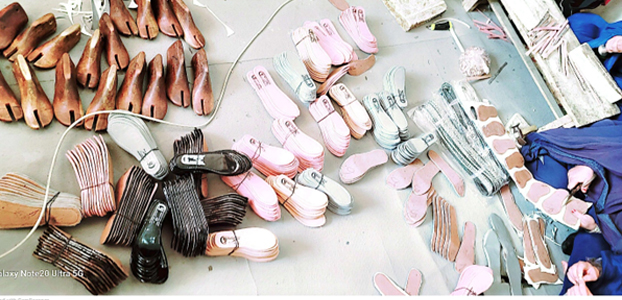
Fatima Pason’s journey reflects resilience, early responsibility, and the power of practical skills. Despite limited formal education, she has successfully managed and expanded a family business through learning and determination.
Her message to other young women is clear:
alongside education, acquiring practical skills is essential for achieving independence and building a secure future.
Passionate - Dedicated - Professional