Introduction
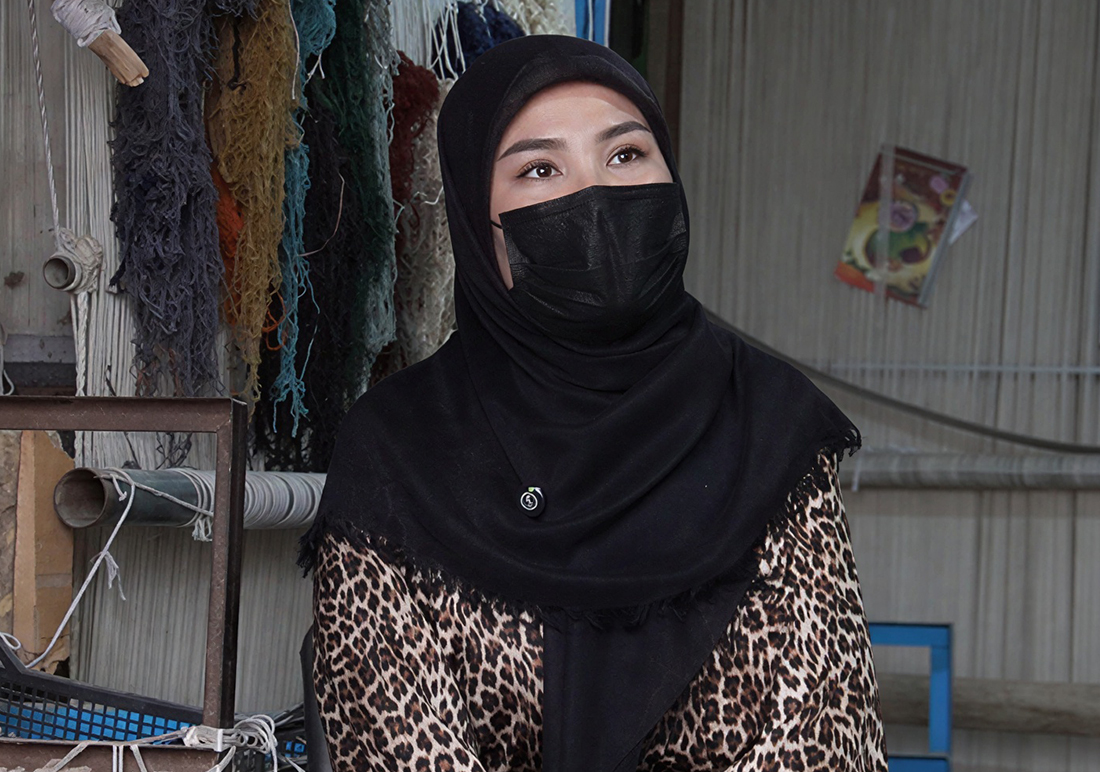
In northern Afghanistan, particularly in Balkh Province, where traditional crafts remain a vital part of the local economy, women entrepreneurs continue to face structural and market-related challenges. Through the Women Inclusion in the National Economy (WIN) project, HARAKAT has been working to strengthen women-led businesses and connect them to sustainable market systems. Hakima Mohammadi, a 24-year-old entrepreneur from Mazar-i-Sharif, represents a powerful example of how persistence and learning can transform small efforts into a growing enterprise
Entrepreneur Profile and Motivatio
Hakima Mohammadi holds a degree in Business Administration (BBA). As a member of a seven-person family, she took early responsibility for contributing to household income. Driven by a desire for independence and stability, she entered the world of small-scale business activities. She began by offering home-based services and conducting limited production and training activities. Recognizing the need for structure and growth, she later established a small training and production center to professionalize her work and expand opportunities for others.
Baseline Analysis
Before expanding her business, Hakima operated on a very small scale, with limited resources and informal systems. Her center initially hosted only 10–15 trainees. Despite her strong commitment, she lacked experience in key business areas such as sales, contract management, and market linkage. A major setback occurred when she secured a contract with a company that ultimately failed to pay for completed work. This not only caused financial loss but also reduced trust among her trainees, leading to a decline in participation. At this stage, her business faced instability, weak market connections, and high dependency on single buyers.
Strategic Intervention and Capacity Development
Hakima’s turning point came through her engagement with HARAKAT under the WIN project. Through targeted training in accounting, management, and business development, she gained critical skills to restructure her enterprise. One of the key lessons she adopted was the importance of diversifying clients and markets rather than relying on a single source of income. These interventions helped her rebuild confidence, improve internal systems, and take a more strategic approach to growth.
Business Growth and Operations
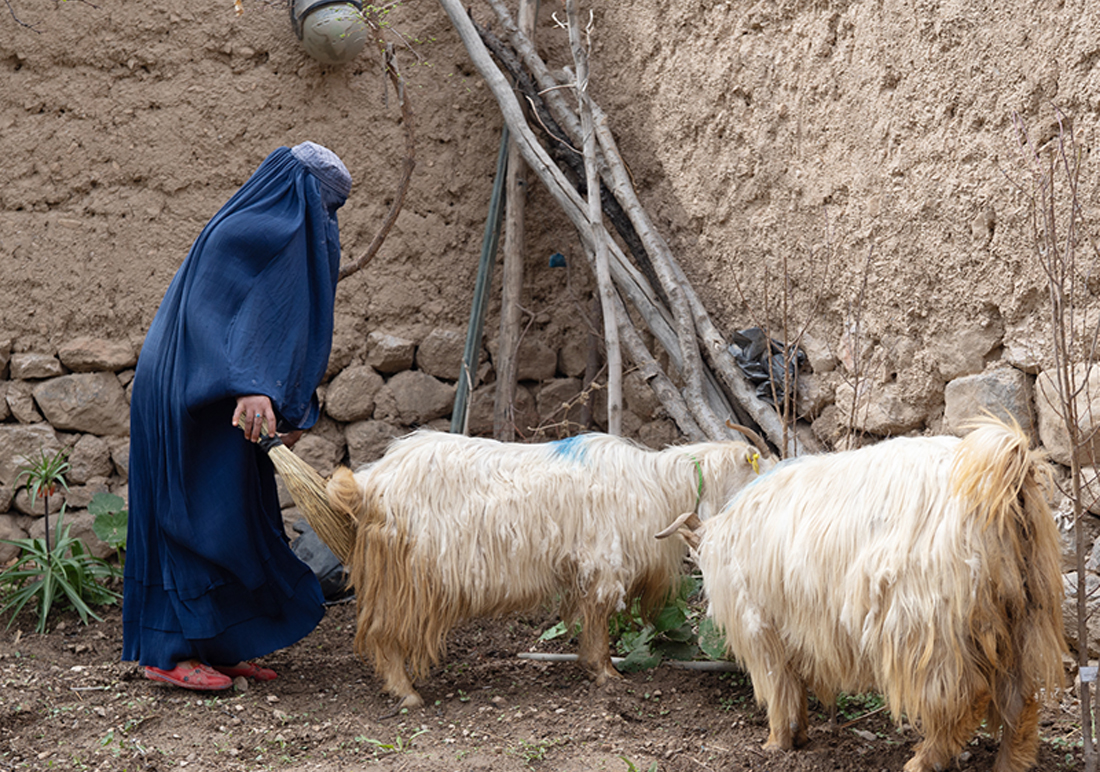
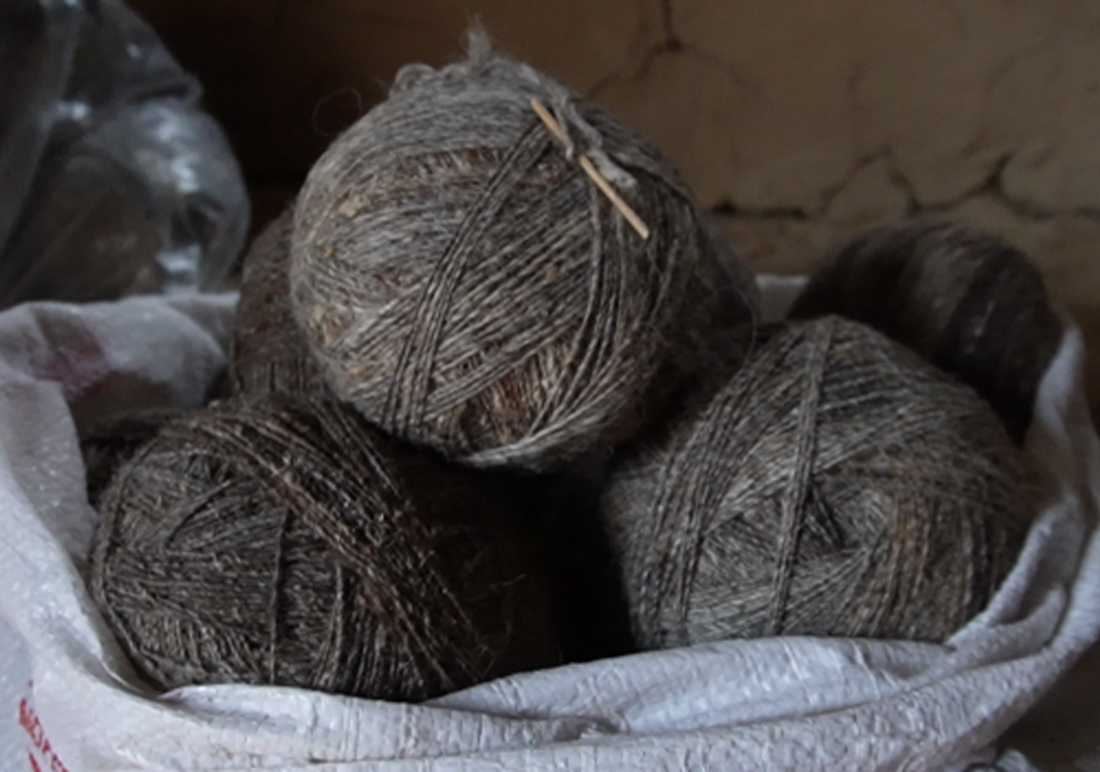
Today, Hakima leads the Mahoor Handicrafts Company, a women-led enterprise specializing in handmade carpets and wool-based products. The company manages the full production cycle—from sourcing raw sheep wool to spinning yarn and weaving carpets. It currently employs 45 women in wool processing and carpet weaving, creating significant livelihood opportunities. The business operates through a hybrid model: part of the production takes place in a central workshop, while other tasks are distributed to workers at home. This flexible system allows women who cannot work outside their homes to still participate in income-generating activities.
Market and Products
Mahoor’s core products include natural wool, hand-spun carpet yarn, and handwoven carpets. These products are valued for their authenticity, durability, and traditional designs. With a lifespan of 30–40 years, the carpets have gained strong demand among both domestic and international buyers. Customers include traders and individuals who value Afghan handmade craftsmanship for home decoration and export purposes.
Results and Impact
Over time, Hakima successfully rebuilt and expanded her business. Her training center grew from 15 trainees to nearly 80 at its peak, demonstrating strong demand for skills development. More importantly, she created stable employment for dozens of women, contributing to household incomes and local economic participation. Her experience also strengthened her resilience and business judgment, enabling her to navigate risks more effectively.
Future Vision and Sustainability
Looking ahead, Hakima plans to further expand her market reach through digital marketing channels such as WhatsApp, Facebook, and Instagram. She also aims to participate in exhibitions and trade fairs to connect with wider national and international markets. Her long-term goal is to build a sustainable, recognized Afghan brand that represents quality handmade products.
Conclusion
Hakima Mohammadi’s journey reflects determination, adaptability, and the power of learning. From modest home-based activities to leading a structured enterprise, she has demonstrated that women entrepreneurs can overcome barriers and build impactful businesses. Her message to other women is clear:
financial independence is achievable through persistence, skills development, and the courage to start and grow a business.
Passionate - Dedicated - Professional